
The Motherhood Test
A Pale View of HillsThe novel sets competing ideas of motherhood against the choices adults make when children are afraid, difficult, or inconvenient.
increasing Bearing strength in each event
 decreasing
Bearing strength in each eventdecreasingEtsuko’s Anxiety
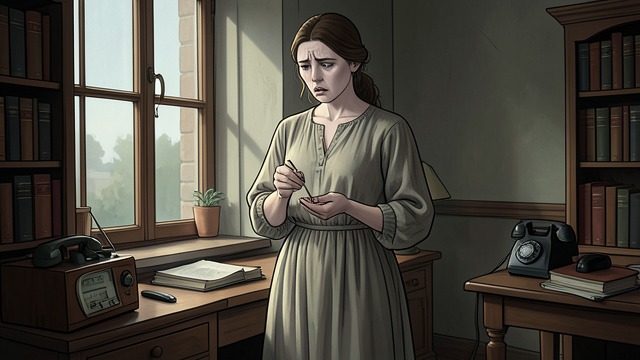
Fear Before Birth
A new responsibility
Etsuko is pregnant and worries about what motherhood will require. Mariko’s refusal to trust her after a friendly invitation becomes, in retrospect, a small source of misgiving about her own capacity to care.
Reassurance from others
Mrs. Fujiwara tells Etsuko that a positive attitude matters and says she will make a splendid mother. The confidence offered to Etsuko contrasts with the uncertainty she feels inside.
Sachiko’s Maternal Claims
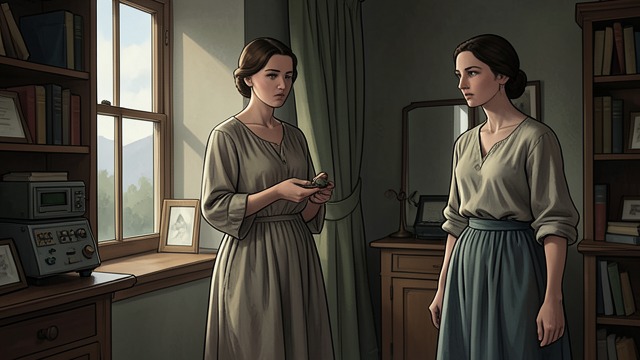
Welfare as Argument
A repeated defense
Sachiko insists that Mariko’s welfare is of the utmost importance and that she has carefully considered the move. She presents America as a place where her daughter can study and find opportunities.
Doubt dismissed
Etsuko asks about education and the strain of migration, but Sachiko hears skepticism as envy or a lack of support. Her claim of responsibility does not settle whether the plan is safe.
A Child’s Fear Overruled
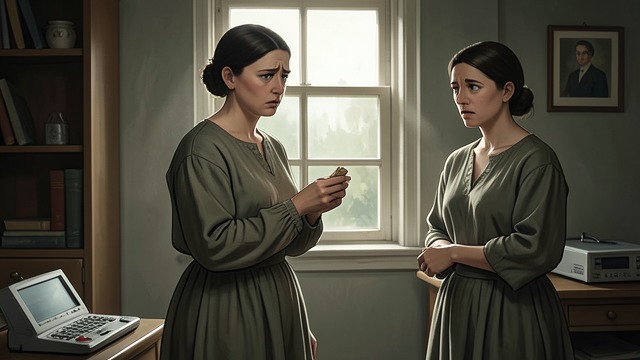
The Child’s Objection
Resistance made plain
Mariko tells Etsuko she does not want to go and calls Frank a pig. Sachiko has already spoken of the move as settled and of Mariko as capable of adapting.
Competing judgments
Etsuko tries to reassure the child, while Sachiko’s plans leave little room for Mariko’s refusal. The conflict turns maternal authority into a question of whether a parent can claim to know what a child needs.
The Kittens Taken Away
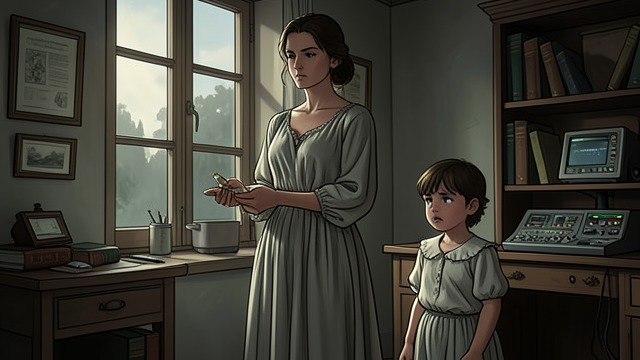
Care Made Conditional
A promise withdrawn
Sachiko refuses to take the kittens despite having agreed that Mariko could keep them. She calls the child childish and treats the animals as an obstacle to departure.
A troubling contradiction
Sachiko says that her daughter comes first, yet ignores Mariko’s grief as she puts the animals in a box. The scene makes her professed maternal responsibility difficult to reconcile with her conduct.
Etsuko’s Final Admission
Motherhood and Regret
Knowing the risk
Etsuko tells Niki that she knew Keiko would not be happy in England but chose to take her there. The admission recalls Sachiko’s insistence that a mother must decide for her child’s future.
No simple verdict
Etsuko neither declares the choice a mistake nor accepts Niki’s full absolution. The parallel leaves motherhood as a field of responsibility in which love does not guarantee good outcomes.
during her first months of pregnancy
after Sachiko announces the plan to go to America
the evening Mariko says she does not want to leave
the last evening in Sachiko’s cottage
the final morning of Niki’s visit
